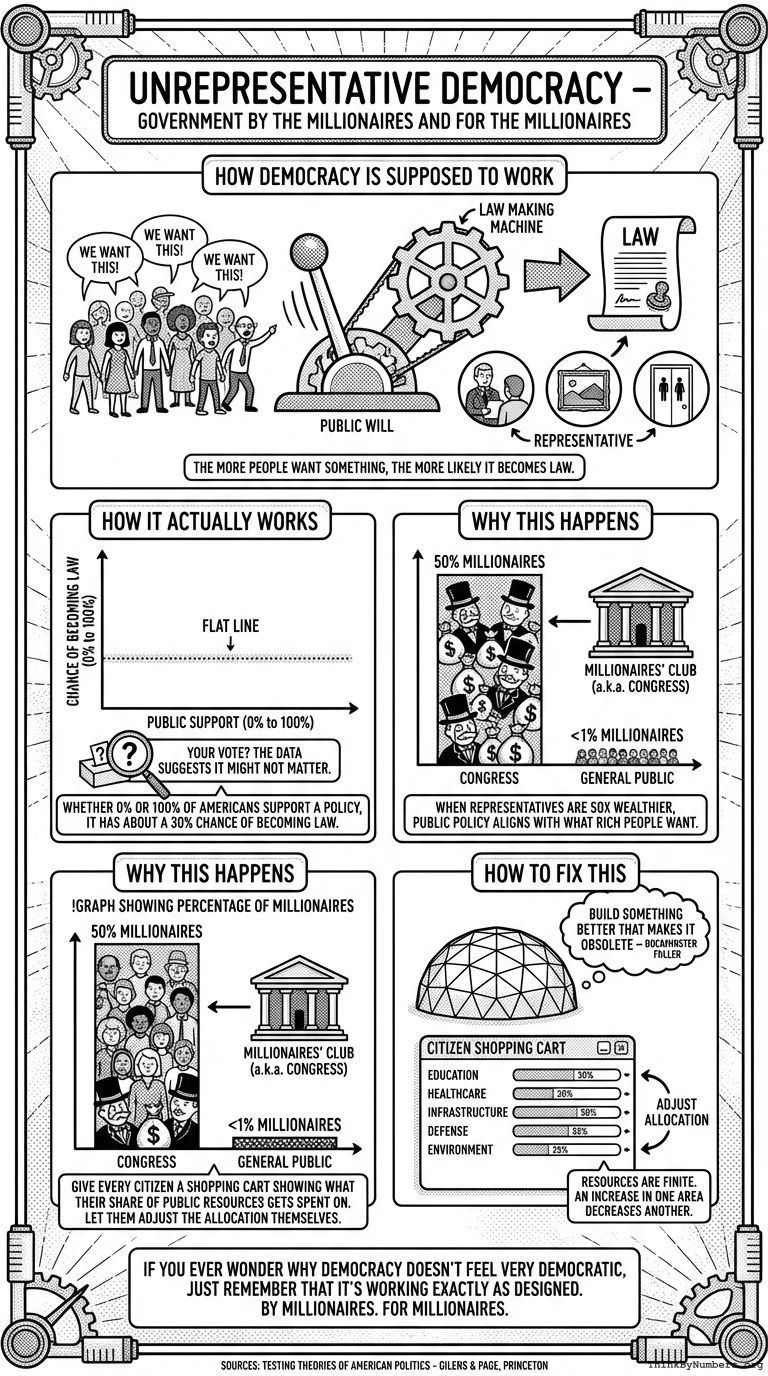
How Democracy Is Supposed to Work
The word "representative" in representative democracy implies that the representatives represent you. Like how a lawyer represents a client, or how a painting represents a landscape, or how those stick figures on bathroom doors represent people.
In a functioning representative democracy, the more people want something, the more likely it becomes law.
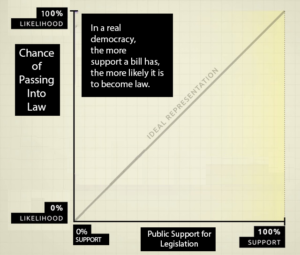
Makes sense, right? It's almost like that's the entire point of the system.
How It Actually Works
Public support has near zero influence on what laws pass. Whether 0% or 100% of Americans support a policy, it has about a 30% chance of becoming law.
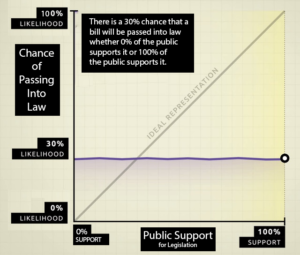
That's a flat line. The math is showing you something.
If you ever feel like your vote doesn't matter, you might be onto something. The data from Princeton suggests your intuition is statistically valid.
Why This Happens
Half the representatives in Congress are millionaires. In the general population, less than 1% are millionaires.
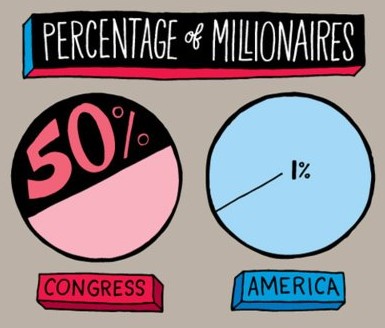
When your representatives are 50X wealthier than the people they represent, public policy tends to align with what rich people want. Shocking, I know.
They say "representation matters." Turns out they meant representing millionaires. To be fair, millionaires are people too. Very wealthy people, but still technically people.
Congress is basically a millionaires' club that occasionally lets non-millionaires join, like how some country clubs have a token middle-class member to show they're not elitist. Except in this case, the country club makes all the laws.
How to Fix This
Buckminster Fuller said when you want to change something, don't fight it. Build something better that makes it obsolete.
Buckminster Fuller also designed geodesic domes, which were supposed to revolutionize housing. Now they're mostly used for planetariums and that one eccentric neighbor's greenhouse. But his quote about building better systems is still good.
Here's how you do that for resource allocation:
Give every citizen a shopping cart showing what their share of public resources gets spent on. Let them adjust the allocation themselves.
CodePen Embed Fallback
Resources are finite. An increase in one area decreases another. The prototype above shows how this works. Fork it and improve it if you want.
The current system lets millionaires decide how to spend your money. This system lets you decide how to spend your money. The math is simple.
Will this actually happen? Probably not. But if you ever wonder why democracy doesn't feel very democratic, just remember that it's working exactly as designed. By millionaires. For millionaires.
Sources:
Comments